Written by Frank Juarez, art educator & founder
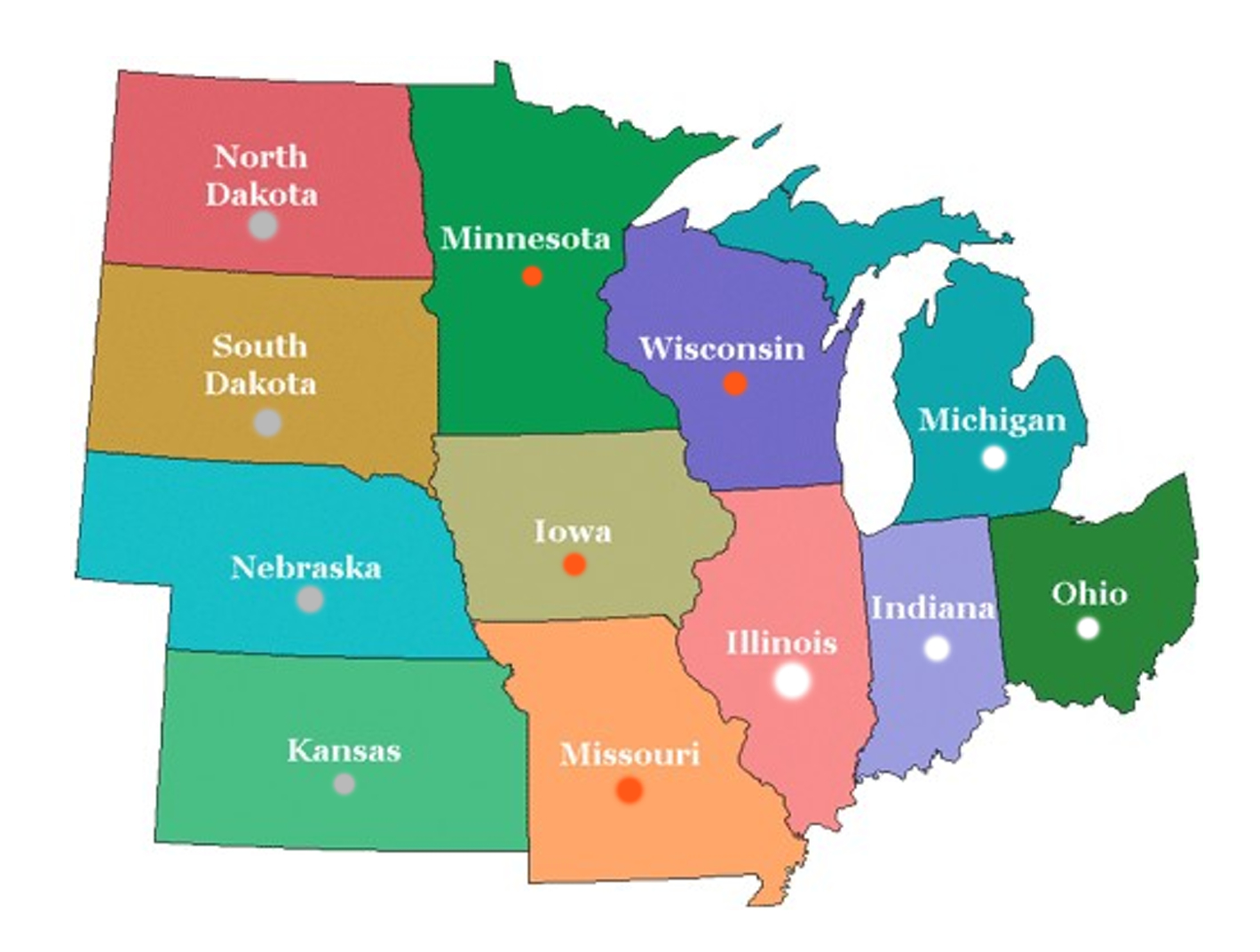
This spring semester (2015) I implemented the Midwest Artist Studios™ (MAS) Project curriculum into two of my art courses. The MAS workbook contains 9 lesson plans inspired by the artists the MAS team visited in Minnesota, Iowa, Missouri, and Wisconsin towards the end of July of 2014. Each lesson designed to address New Visual Arts Standards, literacy, differentiated instruction, technology, assessments, creative processes, and procedures. The only unknown factor was how these lessons would look like inside the art classroom. So I decided to introduce these artists and their work to my students.
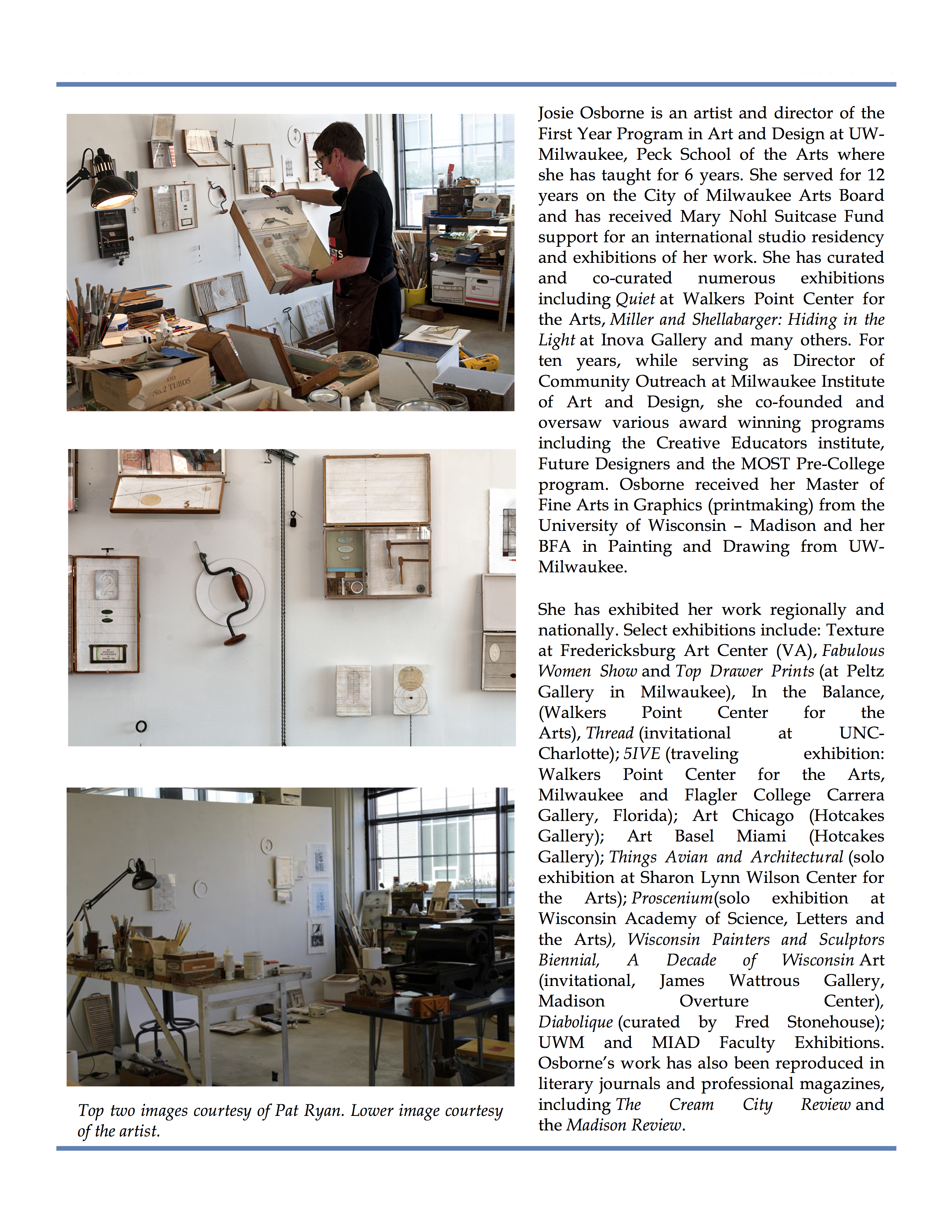
To date I have implemented the following lessons: “The intricacy of the object: connecting the past to the present” featuring mixed media drawings by Josh Wilichowski (MN), “Exploring motifs: art & architecture” featuring drawings by Paula Schulze (WI), “Be One with nature: painting your surrounding” featuring paintings by Jane Ryder (IA), and “It is all narrative: the art of assemblage” featuring assemblages by Josie Osborne (WI), and “Space Invader: Exploring the body’s interaction with space” featuring sculptures by Suzanne Torres. Each lesson was accompanied with a video of the artist talking about his/her art, process, influences, and studio practice and viewable online a gallery of the artists’ work.
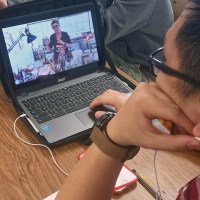
 One of the benefits of this project is that each featured artist agreed to be accessible to educators via Skype to provide students the opportunity for real time interaction. This experience provided my students with the opportunity to ask the artists questions that they may have about their process, medium/a, influences, education, ways to promote and so on. This also provided a platform in which the artist can offer feedback about the student’s work via an online critique. Some of the MAS artists welcomed teachers and students into their studio while others welcomed works by students to be emailed to the artist for feedback. There are just some things you do not learn from a book and must be experienced in person.
Throughout the semester I have been checking in with my students to see how things are coming along with the projects, their thoughts on using new media, and how it has helped them see the world around them. Natalie mentioned it was neat to see Paula Schulze’s work because it allowed her to see architecture in a different way by taking a basic shape and making it into a complex pattern using contrast, balance, movement, and line. Bryan said, “This project helped me focus on one thing and one thing only, and that was my artistic point of view. I truly believe that I’ve improved in my abilities in art because of these projects. They have inspired me to actually complete something that I loved doing”.
 Like many art teachers, I am always on the look out to incorporate different ways to expose, educate, and engage my students into the world of art. Except my interest is seeking artists at the local and regional level versus googling random artists. I believe by developing professional relationships with these artists results in an authentic art experience for my students. This project is a reflection of this.
As the founder of the Midwest Artist Studios™ (MAS) Project, I knew it would be a benefit to any curriculum whether it is art, math, science, or social studies to infuse art. I never realized just how much students enjoyed interacting with the artists in real time. The artists we have worked with this semester were fabulous and made this project such a meaningful art experience for my students. For this I am grateful.
With the help of our technology department I was able to record our Skype session with Iowa-based painter, Jane Ryder.
Below is what my students expressed as their wrapped up this year’s projects at Sheboygan North High School.
Kimberly
From this year, I have learned to have a little faith in the outcome of my projects. I am usually a self-doubting person, so I should take this experience and apply it to my life in general. There have been a lot of things this year that have actually increased my self-confidence. I do not feel ready for next year; however, I do feel a little more prepared, and I think I am in a slightly better mindset for what is to come. The world is complex just like these projects were. The outcome, on occasion, could turn out amazing though and I am excited to see what the world has to offer to me if I work hard enough. It is awfully strange, yet awesome, how many similarities the process of creating art is to living life.
The slightest change in a piece of art can change the entire meaning of a piece. After our interview with Jane Ryder, I began to think about what would be best for my painting, She gave specific suggestions to me through email, and I took those and created a more complex piece of art with the inclusion of another style of gouache painting. I watered down the gouache and created a fluid movement in the background, opposed to the strong colors and solid painting in the foreground. In the end, I gave my painting a softer, more balanced feeling.
Rachel
I learned really only one thing this year about myself while doing art. The thing I learned about myself was that I can’t really plan out a project. After I plan out the design I always end up changing my mind because I find a new inspiration and add on to it. I think that the reason I do this is because art is about creativity and you can’t plan creativity. While doing all these projects it has opened my eyes to things around me by finding inspiration in the things around me.
Savannah B
 I learned that not everything I make will be what I expect it to be, some will not live up to my expectations and some may be. I have come to realize that I will not always excel in every single media that I’m given, I will always have a weakness in particular mediums, but that doesn’t mean that I should stop trying to work with them. I think that it just means I should just work with it to understand how it works, that way I don’t necessarily rule that media out for a project.
While learning about the last project it has helped me realize that not all art has to be so elaborate or perfect. Things aren’t always meant to go the way you want them to. I myself am a perfectionist and any art project I do. I won’t particularly like because it didn’t turn out the way I wanted to, but that’s just how things go. I know that I criticize my work harshly but that’s just the way I am. I always feel like I can do better, but I get lazy. I’ve got to learn to accept that my artwork has turned out this way, and if I want to improve I always have another shot at it. I don’t always have to be so hard on myself.
I would say the assemblage was my favorite project to do because I had dedicated it to my grandpa who passed away two years ago.
Natalie
Through creating my art I learned many different things about myself as not only an artist but an individual. I learned that creating different styles of art helps me expand my thinking and brainstorming. What I mean by this is that when I am having a hard time trying to think of ideas for my artwork I like to make sketches to get my mind thinking and get other ideas. I also have learned that creating art helps me deal with stress and helps me relax and calm down from my busy life. Art has helped me in many different ways. Overall by taking art over the last few years I think that I have grown into a stronger and more positive individual.
Marisa
 Through art, I enjoy expressing my emotions on paper. By creating art I can express my creativity without anyone judging. I have noticed that everyones style is unique, no one is exactly the same, when expressing one’s creativity. The arts can teach individuals to make good judgement about qualitative relationships. Unlike much of the curriculum in which correct answers and rules prevail, in the arts, it is judgment rather than rules that prevail. The arts teach students to think through and within a material. All art forms employ some means through which images become real. The arts help individuals learn to say what cannot be said. When children are invited to disclose what a work of art helps them feel, they must reach into their poetic capacities to find the words that will do the job. This course, I have learned many techniques and strategies to improve my art capabilities. Stretching, creating canvases, paint strokes, sketching skills are some of the many techniques learned. By learning these new techniques, it has opened my eyes to the world around me.
Gallery of students’ work from this semester.
This slideshow requires JavaScript.
A colleague of mine, Sylvia Cavanaugh, at Sheboygan North High School purchased the MAS Catalog to use in her curriculum and this is what she had to say about the experience working with Jane Ryder’s lesson plan.
“I am a teacher of African and Asian Cultural studies, and chose to incorporate the lesson, Be One With Nature: Painting Your Surrounding, into my unit on Japan. Throughout the course, I have been teaching my students various techniques for deep relaxation based on focus. This unit allowed me to apply meditation to nature and art. Based on Jane Ryder’s suggestion, I gave each student a simple view finder and sent them to the school courtyard to study nature and to sketch a few images. The next two class periods were spent in the classroom, where students created watercolor compositions based on the work of Ryder. Ryder’s work was the ideal inspiration for this because it is very detailed, and yet is not perfectly realistic. This allowed students who did not view themselves as artistic, to the be willing to take a chance. In fact, all of my students did engage in the project and created paintings. They seemed to experience the deep meditative focus I was looking for, and I think many of them produced art that was beyond even their own expectations. This was the sort of valuable educational experience that provides a life lesson in the power of art, nature, and meditation”. – Ms. Cavanaugh
This slideshow requires JavaScript.
MAS Reflection by Midwest Artist Studios featured artist, Todd Mrozinski.

Todd skyping with Mr. Korb’s student. Courtesy of Frank Korb from Waterford High School.
The experience with the students and seeing their unique version of a shadow portrait was wonderful and inspiring. The collaboration with their partner and the energy of that interaction was also evident in their work was great to discuss during the Skype sessions. Frank Korb , art teacher from Waterford Union High School, was amazing to work with and I hope to continue a connection with him and his classes.
MAS presents a phenomenal new way of connecting students with artists, I am so glad to be a part of it.
Reflection on Todd Mrozinski and Silhouette Drawings
Written by Frank Korb, art teacher
2015 Drawing Class – Waterford Union High School
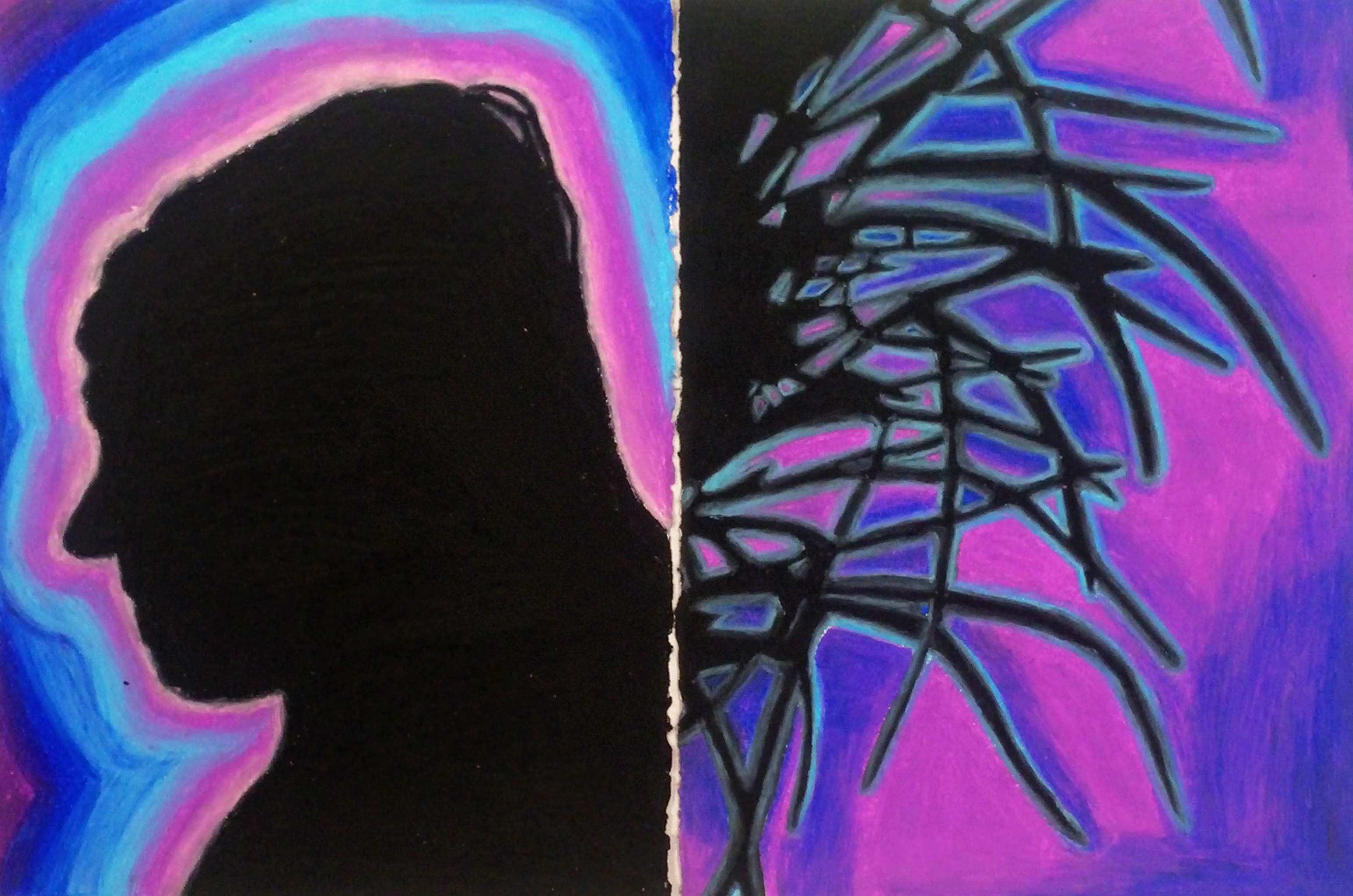
 I introduced my students to Todd Mrozinski through the Midwestern Artist Studios Project workbook designed by Frank Juarez. In order to help my students better understand who Todd Mrozinski is, I used Frank Juarez’s writing and interview with Todd from the M.A.S. Workbook as well as looking at Todd’s website and video prepared as his application for the Pfister Artist in Residence. From there, we discussed the ideas and history behind diptychs and triptychs. The ideas behind the works were planned around the idea of working with a partner, learning about them as individuals and then working together to create works about one another through the same ideas of Todd – working with the Silhouette of one another and also working with the ideas of shadows cast from plants or trees. Originally, we were going to be creating a triptych and including the shadow of a person made object, one chosen by the partner in the pair, but because of time limitations we only had one artist get that far with the drawing.
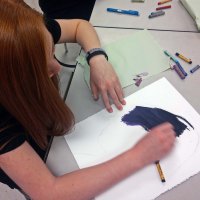 In the very beginning, we introduced one another through learning the ideas behind the elevator pitch. Using an elevator pitch approach to introduce themselves gave them a good understanding about who they are, what they believe in, how they make art, what their ideas about life and art. From there we all went outside and looked at shadows and the partners worked together to choose which types of plant shadows to trace. The artist traced the shadow their partner liked or felt symbolized them. They then traced the sitters silhouette. From there we all worked in studio and created these wonderful images through the use of oil pastels. Over these quick 2 weeks or so, a large assortment of strong and conversation starting compositions were created. Works were focused on the positive and negative space the silhouettes created while also being built up upon the idea of color scheme. Working together gave the artwork a collaborative element that previous works did not have. Students were a bit apprehensive about the use of oil pastels, but this was a good choice as time was of a concern. Oils have a quality that really show the mark of the artist and this showed through in many of the works. A few thoughts about the next time that this lesson is taught are to allow more time to work, a mid-critique, as well as a field trip to Todd’s studio in Milwaukee.
Each class period began with a virtual trip to Todd’s gallery and discussion about a few works. Personal written reflection happened at the end of each day with students thinking about and responding to the successes and failures that they were experiencing in the work. When we had about a week left, I provided an online written critique (google forms) for them to use as their final exam. All said and done – kids came into the final exam period with their finished artwork, Skype TV turned on, and Todd, my students, and myself I met up online to talk about the ideas and works that were created.
 Over the course of two days and two separate classes, 20 kids each, a 1 1/2 hour time period we had GREAT critiques, conversation, and reinforcement of many words I spoke of earlier. Todd added a lot of new ideas about intention and symbolism, compositional ideas that were new ideas for the students. The young artists were very interested in Todd’s comments, critique, and support about the work. Discussion of the works was very strong and the students took to the conversation with elements and principles in mind with interpretation becoming even more a highlight. I sincerely hope that the ideas spoken about are carried forward into the individual student work.
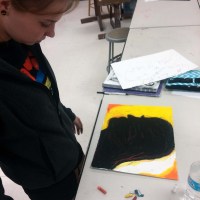 During the first week of summer vacation, I put out a brief survey to the kids that asked four questions. 1) What are THREE (3) highlights that you found, experienced, or achieved in the working on your shadow / color scheme drawings? 2) What are TWO (2) suggestions you suggest for the next time this artwork / experience gets taught? 3) What is the ONE (1) thing that you feel you will remember / use in the future that you learned from this work of art? 4) Do you have ANYTHING ELSE that you would like to add? Please let me hear more of your thoughts. Survey results HERE. While I am not expecting a lot of responses, summer vacation having started, I do hope to get a few comments in about the project. My students works as well as images of the kids in the process of working and critiquing can be seen through this link: https://goo.gl/UgFmbo.
TheMidwest Artist Studios™ Project is supported by a grant from the Kohler Foundation, Inc and the Wisconsin Art Education Association.
______________________________________________________________________
Frank Juarez is a Wisconsin art educator, artist, gallery owner, advocate and community leader living and teaching in Sheboygan, Wisconsin. In 2005, he committed his life to expose, educate and engage others on the importance of experiencing and supporting the Visual Arts. Organizing local and regional art exhibitions, community art events, facilitating presentations, and supporting artists through professional development workshops, use of social media and networking has placed him in the forefront of advancing and promoting local artists and attracting regional and national artists to interact, collaborate, network and exhibit in the Sheboygan community.
Juarez is the art department chair at Sheboygan North High School. He is actively involved in local, regional, state, and national arts organization such as the Wisconsin Art Education Association, National Art Education Association, Milwaukee Artist Resource Network, Arts Wisconsin, Cedarburg Cultural Center, and is founder/former director of the Sheboygan Visual Artists. In 2011, he has opened his first art gallery, EFFJAY PROJEKTS Gallery (now called the Frank Juarez Gallery), in Sheboygan. He has been presenting at local universities/colleges on the Business of Art | Art of Business. He founded two projects focused on Contemporary Art and art education called The Midwest Artist Studios and the 365 Artists 365 Days Project. Recently, he has been recognized as the 2015 Wisconsin Art Education Association Teacher of the Year.










 MIDWEST ARTIST STUDIOS ™ PROJECT